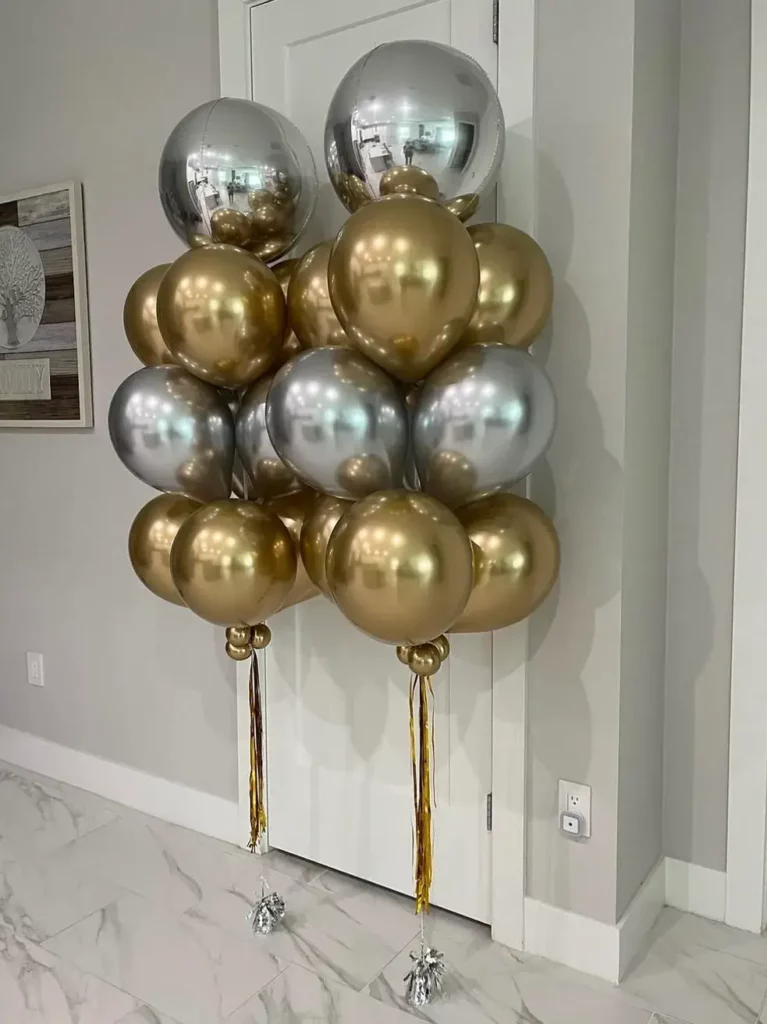
The desire to create a magical, floating balloon display without the expense or access to helium is a common party planning challenge. For standard party balloons, achieving a true, buoyant float without helium is, quite frankly, scientifically impractical and often unsafe with common DIY methods. Balloons float because they are filled with a gas that is significantly less dense than the surrounding air. Helium is specifically chosen for this reason. Most DIY inflation methods, such as baking soda and vinegar, produce carbon dioxide, which is actually heavier than air and will not make a balloon float upwards. While you can’t replicate helium’s lift with everyday items, you can absolutely create the illusion of floating or stunning gravity-defying designs. For a reliable, truly floating effect, professional helium inflation remains the gold standard. However, if your goal is an impressive display without genuine buoyancy, consider using static electricity to temporarily adhere balloons to surfaces, or strategically hang air-filled balloons with clear fishing line to mimic a float. For impactful designs that don’t rely on literal floating, air-filled creations like balloon arches or columns are fantastic, long-lasting alternatives that deliver significant visual impact for any event.
Key Takeaways
- True balloon buoyancy requires a gas lighter than air, primarily helium, and cannot be replicated with common DIY methods.
- Baking soda and vinegar inflates balloons with carbon dioxide, which is heavier than air and will not make balloons float.
- You can create the illusion of floating by using static electricity to temporarily stick balloons to walls or ceilings.
- Strategic hanging with clear lines or double-sided tape provides a stable, long-lasting “floating” look for air-filled balloons.
- For grand, eye-catching displays that do not require buoyancy, air-filled balloon designs like arches, columns, and garlands are excellent, often more budget-friendly, and more durable options.
Understanding Buoyancy: Why Helium Reigns Supreme
Balloons float due to a fundamental principle of physics: buoyancy. An object floats when it displaces a fluid (in this case, air) whose weight is greater than its own weight. For a balloon to rise, the gas inside it must be less dense than the air outside. Standard atmospheric air is primarily a mixture of nitrogen (about 78%) and oxygen (about 21%), with trace amounts of other gases, and has an average density of approximately 1.225 grams per liter (g/L) at sea level and standard temperature. Helium, on the other hand, has a density of about 0.178 g/L under the same conditions, making it roughly seven times lighter than air. This significant difference in density provides the lift needed for balloons to float gracefully upwards.
Many DIY enthusiasts explore alternatives, often looking at common household chemicals. A popular experiment involves combining baking soda (sodium bicarbonate) and vinegar (acetic acid) to inflate balloons. This chemical reaction produces carbon dioxide (CO2) gas. While CO2 effectively inflates a balloon, it has a density of approximately 1.977 g/L, which is significantly heavier than air. Consequently, a balloon filled with carbon dioxide will not float; it will either fall to the ground or hover just above it, depending on its size and the amount of gas. This is a common misconception, but understanding the science behind gas densities clarifies why helium is so unique for this purpose.
Another gas that is lighter than air is hydrogen, with a density of roughly 0.089 g/L. This makes hydrogen even lighter than helium, offering greater lift. However, hydrogen is highly flammable and explosive when mixed with air, posing severe safety risks. For this reason, hydrogen is never recommended or used for recreational balloon inflation. As an experienced practitioner, we strongly advise against any attempts to use hydrogen or other potentially dangerous gases for party decorations. Safety should always be your top priority, especially when children are present. Relying on helium, or professional air-filled designs, ensures both stunning visuals and peace of mind.
Creating the Illusion: DIY Methods for a “Floating” Effect
Since true buoyancy without helium is elusive for the average party-goer, the focus shifts to creating a convincing “floating” effect. These methods rely on physics or clever placement to mimic the look of balloons defying gravity.
Static Electricity: A Temporary Stick
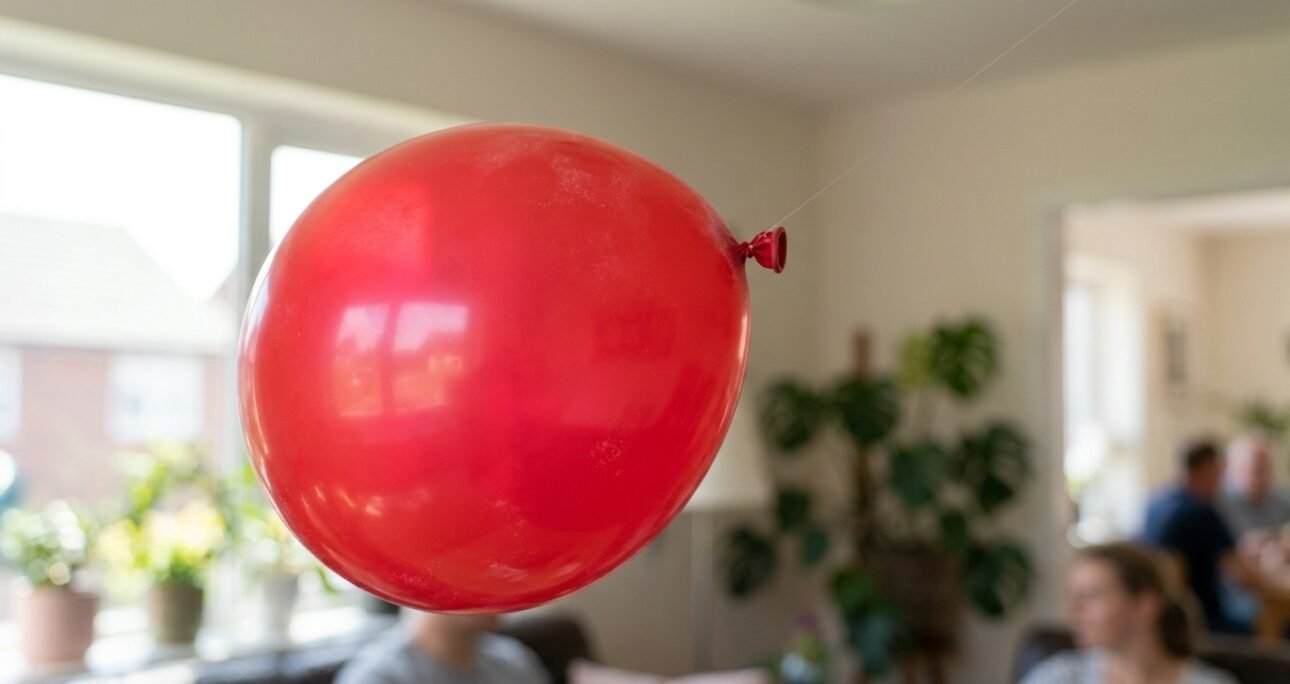
Static electricity can make balloons temporarily stick to ceilings or walls, creating a fun, albeit short-lived, floating illusion. This method works best with latex balloons and in drier environments, as humidity can quickly dissipate static charges. To achieve this, simply inflate a latex balloon with regular air using a hand pump or your breath. Then, rub the balloon vigorously against a fabric surface, such as your hair, a wool sweater, or carpet. This friction transfers electrons, building up a static charge on the balloon’s surface. Quickly press the charged side of the balloon against a clean, smooth ceiling or wall. The electrostatic attraction will hold it in place for a period, typically ranging from a few minutes to a couple of hours, before the charge neutralizes and the balloon falls. This technique is great for small-scale, whimsical decorations but is not suitable for large events or long-lasting displays.
Strategic Hanging and Taping: The Art of Suspended Decor
For a more reliable and longer-lasting floating effect, strategic hanging or taping is your best friend. This method is incredibly versatile and allows for precise placement of your air-filled balloons. You can use clear fishing line, monofilament, or thin thread to suspend balloons from various points. By attaching multiple balloons to a single line at different heights, you can create the impression of a balloon cloud or a cluster of floating spheres. For a seamless look, use double-sided tape specifically designed for decorations, or low-tack painter’s tape rolled into a loop. These can securely attach balloons directly to ceilings or walls without causing damage, making them ideal for creating stunning balloon ceiling decorations or intricate patterns. This approach allows you to achieve impressive visual density and dynamic arrangements that simply wouldn’t be possible with limited floating balloons.
When employing hanging methods, consider the overall design. For example, a “balloon drop” effect can be mimicked by suspending a large net of air-filled balloons and releasing them at a specific moment. This technique requires careful planning but delivers a dramatic visual impact without any helium. Remember that the quality of your adhesive or string matters; investing in good quality, clear options will enhance the illusion and prevent premature falls. This method also allows you to combine various balloon sizes and colors to create complex, organic designs, often seen in professional setups.
Hot Air (with Strong Caveats)
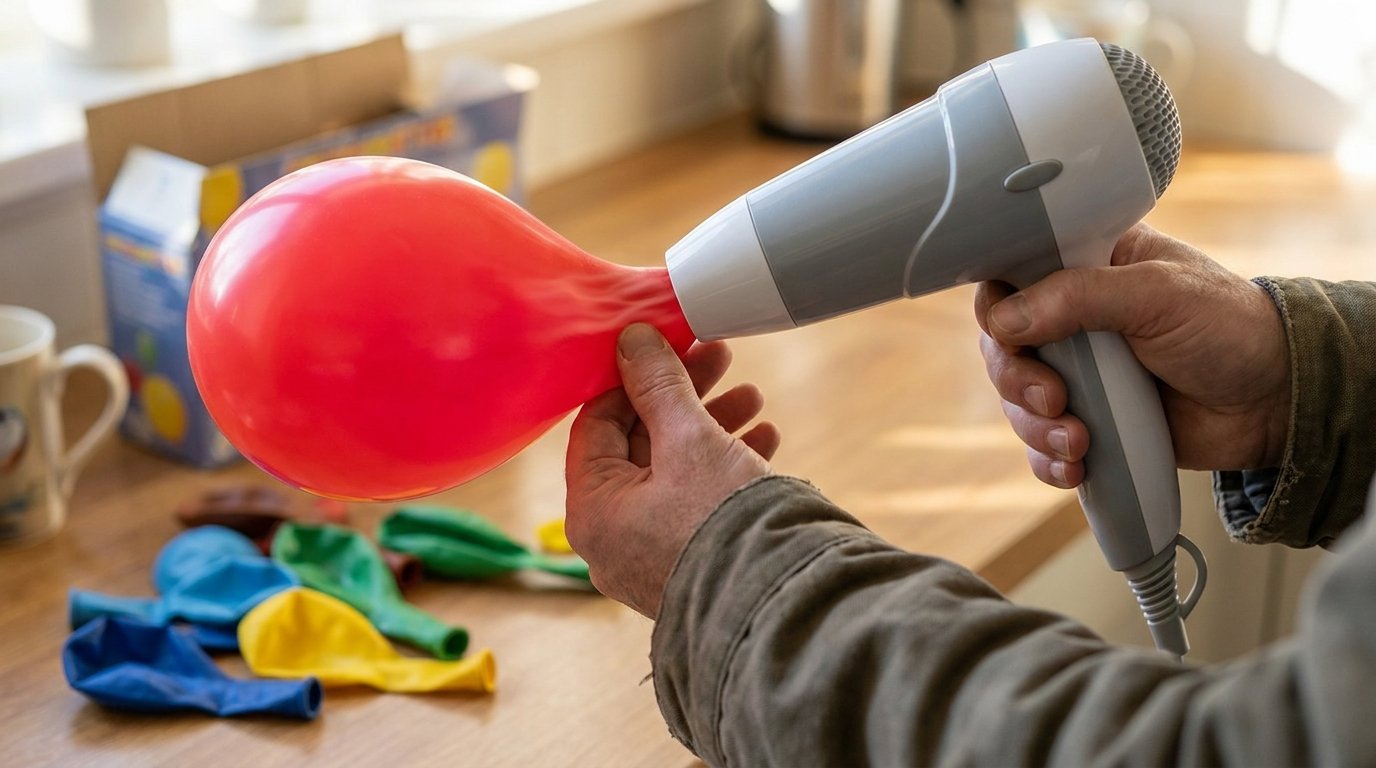
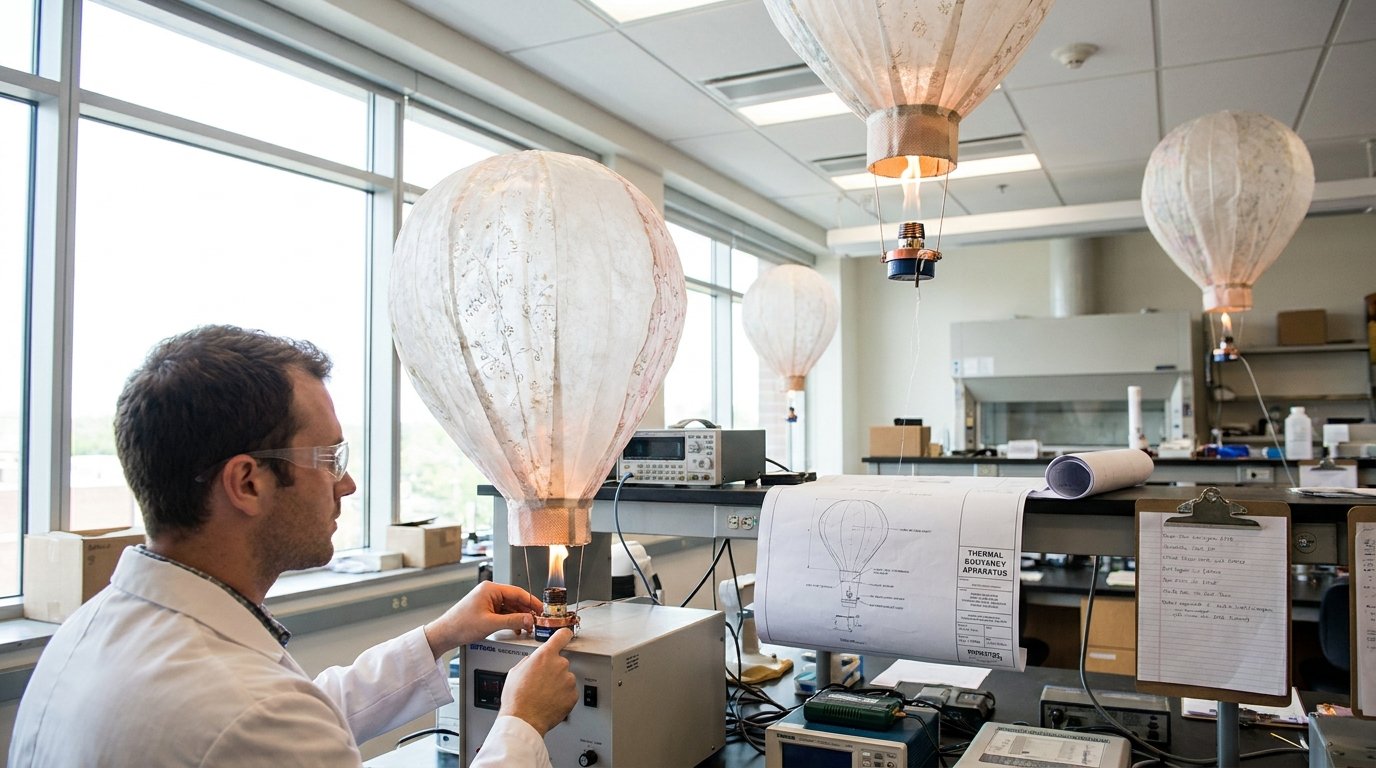
The principle of hot air rising is true, as hot air is less dense than cold air. Theoretically, a balloon filled with sufficiently hot air could float. However, applying this concept to standard party balloons comes with significant practical and safety limitations. To make a balloon float with hot air, you would need to heat the air inside it to a very high temperature and maintain that temperature, which is nearly impossible for a standard latex or foil balloon. The air cools rapidly, and the balloon material itself is not designed to retain heat or withstand extreme temperatures.
Attempting to inflate a balloon with hot air using sources like a hairdryer is risky. A hairdryer on a high setting can easily melt or pop a latex balloon due to concentrated heat, and the volume of hot air produced is generally insufficient to provide meaningful, sustained lift. Using open flames to heat air is exceptionally dangerous and should never be attempted with balloons due to the risk of fire and burns. From a professional standpoint at BalloonLab, we advise against using hot air as a DIY method for making balloons float. It’s inefficient, poses safety hazards, and yields extremely temporary, if any, results. For any event requiring a visually impactful and reliable display, exploring air-filled designs or professional helium services is the safest and most effective path.

Alternatives to Truly Floating Balloons: Air-Filled Decor
Many of the most impressive balloon installations seen today don’t rely on helium at all. Air-filled designs are not only versatile and often more budget-friendly, but they can also last significantly longer than helium-filled balloons (which typically last 12-24 hours for latex and 3-5 days for foil). By strategically arranging air-filled balloons, you can create breathtaking decor that makes a massive impact without needing to float.
Here are some fantastic air-filled options:
-
Balloon Arches: A classic and captivating decoration, balloon arches are perfect for framing entrances, stage backdrops, or photo booths. They are constructed on a frame or line, allowing for intricate designs and a wide range of sizes. These structures are completely air-filled and create an immediate focal point, guiding guests’ eyes and enhancing the celebratory atmosphere. They can be organic, structured, or themed, offering endless customization.
-
Balloon Columns: Balloon columns provide vertical impact and are excellent for marking pathways, highlighting key areas, or flanking an arch. Like arches, they are air-filled and built around a stable base, making them sturdy and long-lasting. They are highly customizable in terms of height, color, and design, often topped with a larger balloon or a themed element.
-
Balloon Garlands: Garlands are incredibly popular for their organic, flowing appearance. These flexible arrangements of air-filled balloons can be draped across walls, tables, staircases, or even hung to create a “floating” cloud effect when expertly installed. Their versatility makes them suitable for virtually any space and occasion, from baby showers to corporate events. The “organic” style, where balloons of varying sizes are interwoven, creates a luxurious and full look.
-
Balloon Backdrops and Walls: For a truly immersive experience, balloon backdrops or balloon walls create stunning visual foundations for photos or entire sections of an event space. These are constructed entirely with air-filled balloons attached to a frame or surface, offering a solid burst of color and texture. They can be simple color blocks or elaborate designs, often serving as an incredible focal point for guests.
-
Balloon Centerpieces: While often smaller, air-filled balloon centerpieces can add a festive touch to tables without obscuring guests’ views. These can be small clusters or creative sculptures, often combined with flowers or other decorative elements. Since they are air-filled, they remain stable and can be designed to complement any theme.
The expert recommendation from BalloonLab is that for any event where durability, impressive scale, and specific aesthetic control are paramount, air-filled balloon decor often outperforms helium in terms of longevity and design flexibility. Plus, the cost of inflating hundreds of balloons with air is significantly less than with helium, which has become an increasingly expensive and finite resource.
The Science of Lightness: Why Helium is Unique
To truly grasp why helium is the go-to for floating balloons, it’s essential to delve deeper into the science of gas densities. All gases have a specific atomic or molecular weight, which directly influences their density. The lighter the atoms or molecules, the less dense the gas will be, and the more lift it can provide. Here’s a quick comparison of approximate densities at standard temperature and pressure (STP):
- Hydrogen (H2): ~0.089 g/L
- Helium (He): ~0.178 g/L
- Air (average): ~1.225 g/L
- Carbon Dioxide (CO2): ~1.977 g/L
As you can see, both hydrogen and helium are substantially lighter than air. Hydrogen is the lightest element, but as previously mentioned, its extreme flammability makes it utterly unsuitable for balloons. Helium, a noble gas, is non-flammable and non-toxic, making it the safest and most practical choice for achieving buoyancy.
The scarcity of helium is also a significant factor in its cost. Helium is a non-renewable resource, primarily extracted from natural gas deposits. The global supply is finite, and its demand extends far beyond party balloons to critical applications in medicine (MRI machines), scientific research, and industrial cooling. This high demand and limited supply contribute to its rising cost. According to a report by the U.S. Geological Survey, global helium reserves are limited, driving efforts towards conservation and recycling. This economic reality underscores why alternatives for simple balloon inflation are often sought, and why air-filled designs have become so popular for their cost-effectiveness and impressive visual appeal.
When you consider the longevity of balloons, helium-filled latex balloons typically float for 12-24 hours before beginning to descend, while foil balloons can last for several days. This is because helium atoms are small and can slowly escape through the balloon’s material. For more detailed information on how long balloons retain their lift, you can refer to our guide on How Long Do Helium Balloons Last?.
DIY Inflation Methods (for non-floating balloons)
If your goal is simply to inflate balloons without helium for air-filled designs like garlands, arches, or columns, there are several effective and safe DIY methods. These methods will fill your balloons with air or other gases heavier than air, meaning they will not float, but they are perfect for creating static displays.
Baking Soda and Vinegar Inflation: A Fun Science Experiment
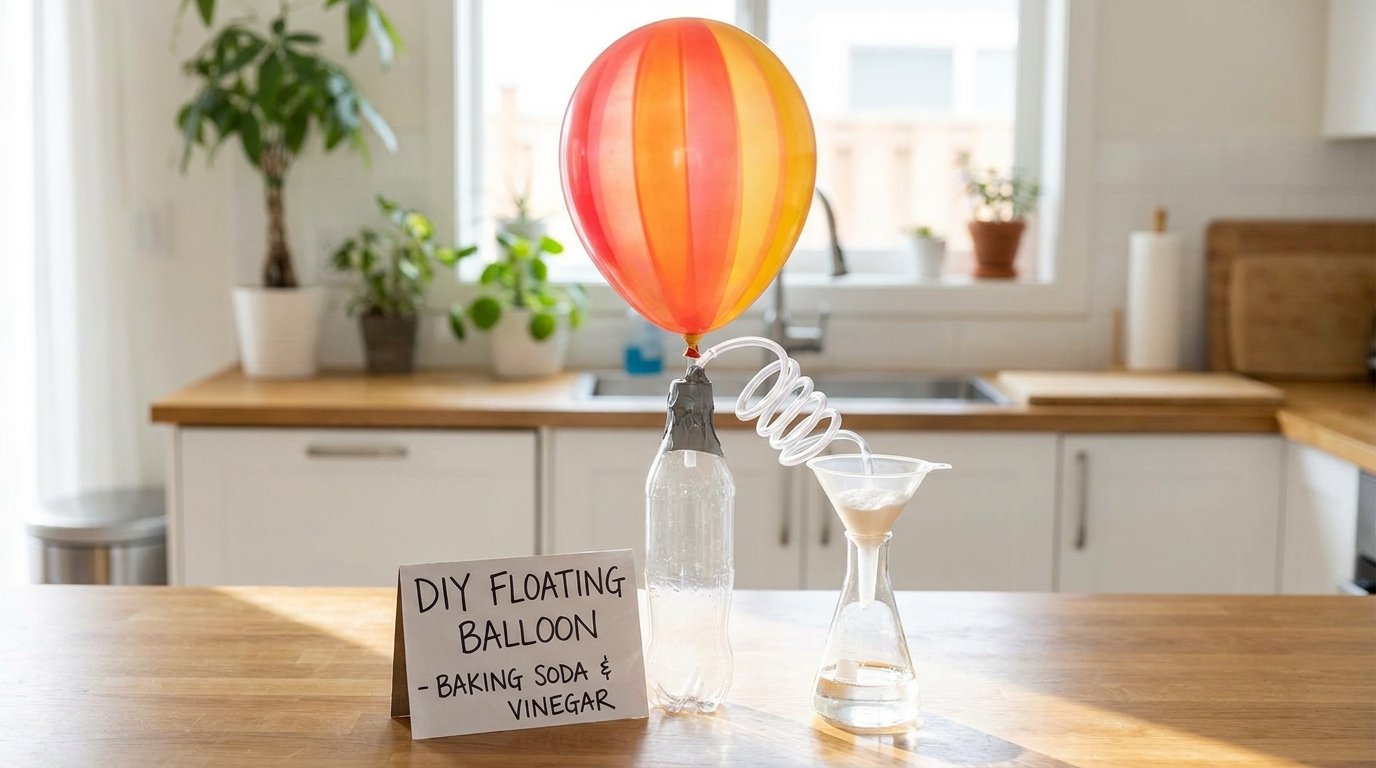
This classic science experiment is a popular way to inflate balloons using readily available household ingredients. While it’s great for inflation, remember that the resulting carbon dioxide will not make your balloon float. It’s a fantastic educational activity, however.
- Gather Your Materials: You’ll need a clean, empty plastic bottle (like a soda bottle), baking soda, white vinegar, a funnel, and the balloons you want to inflate.
- Add Baking Soda to the Balloon: Carefully use the funnel to pour 2-3 tablespoons of baking soda into the balloon. Try to get as much as possible into the balloon itself, without it falling out yet.
- Add Vinegar to the Bottle: Pour about half a cup of white vinegar into the plastic bottle. The amount can vary based on the balloon size; more vinegar will create more gas.
- Attach the Balloon: Carefully stretch the opening of the balloon over the mouth of the bottle, ensuring a tight seal. Make sure no baking soda falls into the vinegar at this stage.
- Initiate the Reaction: Once the balloon is securely attached, lift the balloon so that the baking soda falls from the balloon into the vinegar in the bottle. The chemical reaction will immediately begin, producing carbon dioxide gas that inflates the balloon.
- Observe and Remove: Watch as the balloon inflates. Once the reaction slows or stops, and the balloon is full, carefully remove it from the bottle, tie it off, and admire your air-filled creation. Be mindful that this method can be a bit messy if the balloon seal isn’t perfect or if too much baking soda/vinegar is used.
This method is inexpensive and demonstrates a fun chemical reaction, but again, the balloons will not float. They are ideal for ground-based decorations or for attaching to structures.
Balloon Pump or Electric Inflator: The Most Practical Solution
For inflating multiple balloons quickly and efficiently for air-filled decor, a hand pump or an electric balloon inflator is the most practical and recommended method. These devices simply push ambient air into the balloon, making them full and ready for assembly.
- Hand Pumps: These manual pumps are inexpensive, typically costing $10-$20. They are portable and don’t require electricity, making them great for smaller events or on-the-go inflation. They are perfect for inflating a few dozen balloons without getting lightheaded.
- Electric Inflators: For larger events or when you have many balloons to inflate, an electric inflator is a game-changer. These range from $30-$60 for consumer models and can inflate balloons in seconds, saving significant time and effort. Many come with dual nozzles, allowing two balloons to be inflated simultaneously. This is the preferred method for professionals creating large air-filled installations like arches and garlands.
Using a pump ensures consistent inflation and saves your breath. It’s the cleanest, most efficient, and most reliable way to prepare balloons for any air-filled design. For a comprehensive guide on various inflation techniques, you can visit our article on How to Blow Up a Balloon: The Complete Guide.
When to Call the Professionals: BalloonLab’s Expertise
While DIY methods are fun for small projects, there are many instances where professional balloon services are not just convenient but essential. At BalloonLab in Chicago, IL, we specialize in creating stunning balloon decorations that transform any event, whether it requires the majestic float of helium or the intricate beauty of air-filled designs.
| Method | Cost | Ease | “Float” Realism | Safety |
|---|---|---|---|---|
| Static Electricity | Very Low (cost of balloon) | Easy (rub & stick) | Low (temporary, limited surfaces) | High |
| Strategic Hanging/Taping | Low (string/tape) | Moderate (planning & execution) | High (controlled placement) | High |
| Hot Air (DIY) | Low (cost of balloon/hairdryer) | Moderate (requires heat source) | Very Low (unsustained, minimal) | Low (risk of burns/pops) |
| Baking Soda/Vinegar (Inflation) | Very Low (ingredients) | Easy (chemical reaction) | None (balloon is heavier than air) | Moderate (potential mess/overpressure) |
| Professional Helium Service | Moderate to High (service & gas) | Very High (done for you) | Perfect (true buoyancy) | Very High |
Here’s why BalloonLab is your ideal partner for memorable celebrations:
- Guaranteed Float and Longevity: For true floating displays, we use high-quality, professional-grade helium and balloons. This ensures your balloons float beautifully and for the maximum possible duration, eliminating the guesswork and disappointment of DIY attempts.
- Unmatched Visual Impact: Whether you envision elegant floating clusters for a wedding, a towering balloon sculpture for a corporate gala, or vibrant arrangements for a birthday party, our expertise allows us to execute complex designs that truly “wow” your guests. Our team can manage large quantities and intricate patterns far beyond what most DIYers can achieve.
- Customization and Creativity: We offer personalized and custom balloon arrangements tailored to your specific theme, color scheme, and vision. From custom colors to unique shapes and sizes, we can bring any concept to life, ensuring your decor is unique and reflects your event perfectly.
- Safety and Professionalism: We adhere to the highest safety standards, using appropriate equipment and techniques for all installations. You won’t have to worry about popping balloons, unstable structures, or hazardous materials. Our team handles everything from delivery to setup, and even breakdown if needed.
- Stress-Free Event Planning: Planning an event can be overwhelming. By entrusting your balloon decor to BalloonLab, you free up valuable time and energy to focus on other aspects of your celebration, confident that your decorations will be flawless. This peace of mind is invaluable, especially for significant occasions like engagement parties or grand openings.
Ultimately, while knowing how to inflate balloons without helium is a useful skill for simple, air-filled decorations, for truly show-stopping, floating displays or large-scale installations, the unmatched quality, safety, and expertise of a professional service like BalloonLab in Chicago, IL, is the best investment. We are your one-stop-shop for personalized and custom balloon arrangements that will leave your guests in awe.
FAQ
What makes a balloon float?
A balloon floats when the gas inside it is significantly less dense than the surrounding air. Helium is commonly used because it is much lighter than air and non-flammable, providing the necessary buoyancy for a balloon to rise and stay aloft.
How can I make balloons stick to the ceiling without helium?
You can make balloons temporarily stick to the ceiling using static electricity. Inflate latex balloons with air, then rub them vigorously against a piece of wool, carpet, or your hair to build up a static charge. Press the charged side of the balloon against a clean, smooth ceiling, and it will adhere for a short period.
Is it safe to use hydrogen in balloons?
No, it is not safe to use hydrogen in balloons for recreational purposes. While hydrogen is lighter than helium, it is highly flammable and explosive when mixed with air, posing severe safety risks, including fire and burns.
Which DIY method creates the best floating effect?
For creating the illusion of a floating balloon, strategic hanging with clear fishing line or double-sided tape provides the most realistic and long-lasting effect, as it allows you to control placement and duration without actual buoyancy.
Can baking soda and vinegar make a balloon float?
No, a balloon inflated with baking soda and vinegar will not float. This chemical reaction produces carbon dioxide gas, which is heavier than the surrounding air, causing the balloon to fall or remain on the ground rather than float upwards.
When should I hire a professional for balloon decorations?
You should hire a professional for balloon decorations when you need true floating displays, large-scale installations like arches or columns, custom designs, or guaranteed longevity and visual impact for important events. Professionals ensure safety, quality, and a stress-free experience.