

Creating vibrant balloon decorations for your Chicago event often starts with a simple question: “How do I blow up this balloon?” For standard latex balloons, a hand pump is your most reliable and efficient tool, offering quick inflation without the dizziness of mouth-blowing. If you are preparing for a large event with dozens or hundreds of balloons, an electric inflator is indispensable, saving significant time and effort. For foil balloons, which often feature a self-sealing valve, a slender straw or a specialized foil balloon nozzle on a pump is required to gently bypass the valve and prevent damage. When you need balloons to float, helium is the answer, requiring either a professional filling service or a rental tank for DIY projects. The best method ultimately depends on the balloon type, the quantity needed, and your specific event requirements.
How To Blow a Balloon: Key Takeaways
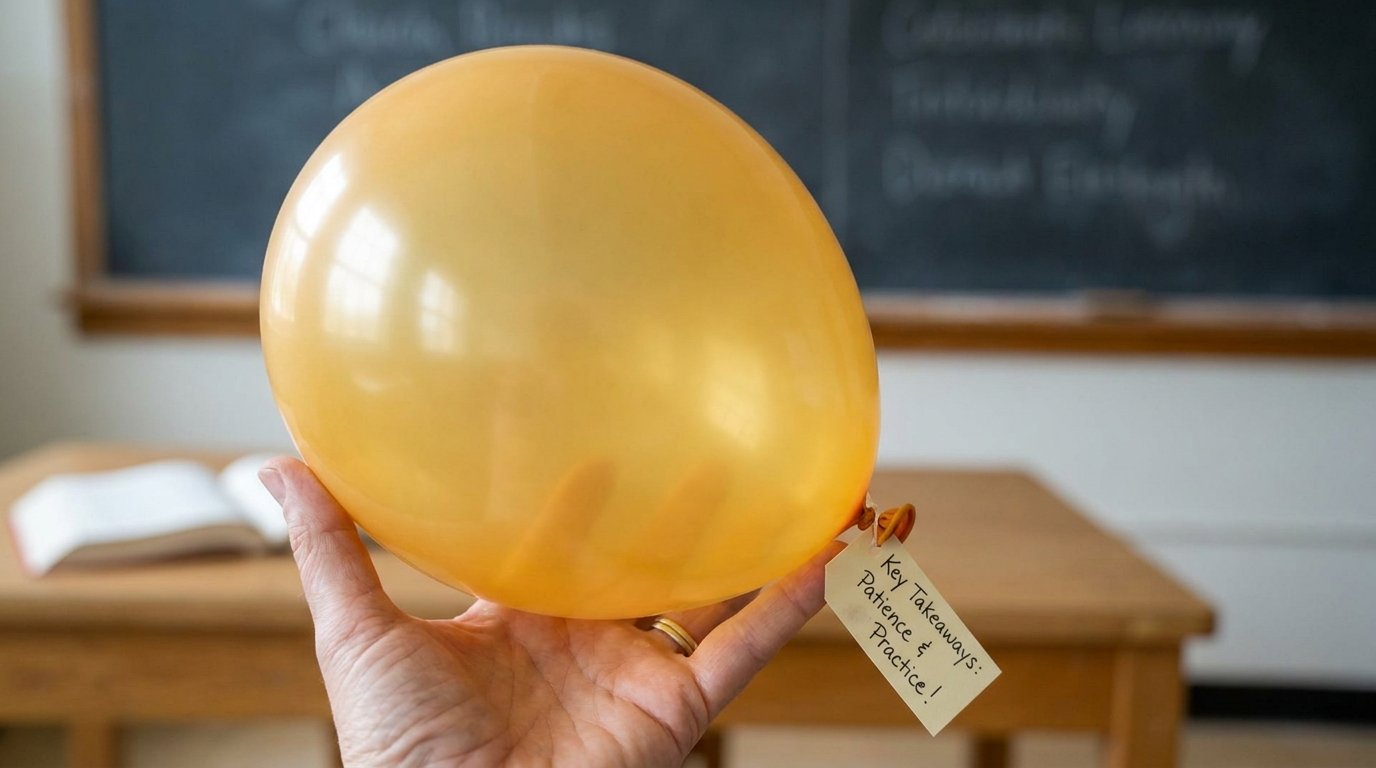
- Always pre-stretch latex balloons slightly before inflation, especially when blowing by mouth, to make them more pliable and reduce the risk of popping.
- Use a hand pump for efficient and consistent inflation of latex balloons, significantly reducing effort compared to mouth-blowing.
- Inflate foil balloons with a straw or specialized nozzle, inserting it carefully into the self-sealing valve to avoid damage and prevent over-inflation.
- Choose an electric inflator for large events with many balloons to save time and energy, but always monitor inflation closely to prevent bursting.
- Consider professional balloon services like BalloonLab for complex designs or large-scale installations, ensuring precise inflation and stunning results.
Inflating Latex Balloons: Manual vs. Mechanical Methods
Inflating latex balloons can be done through various methods, each with its own advantages and ideal scenarios. Whether you’re decorating for a small family gathering or a large corporate event, understanding these techniques ensures your balloons look their best and last longer.
How to Blow Up a Latex Balloon by Mouth
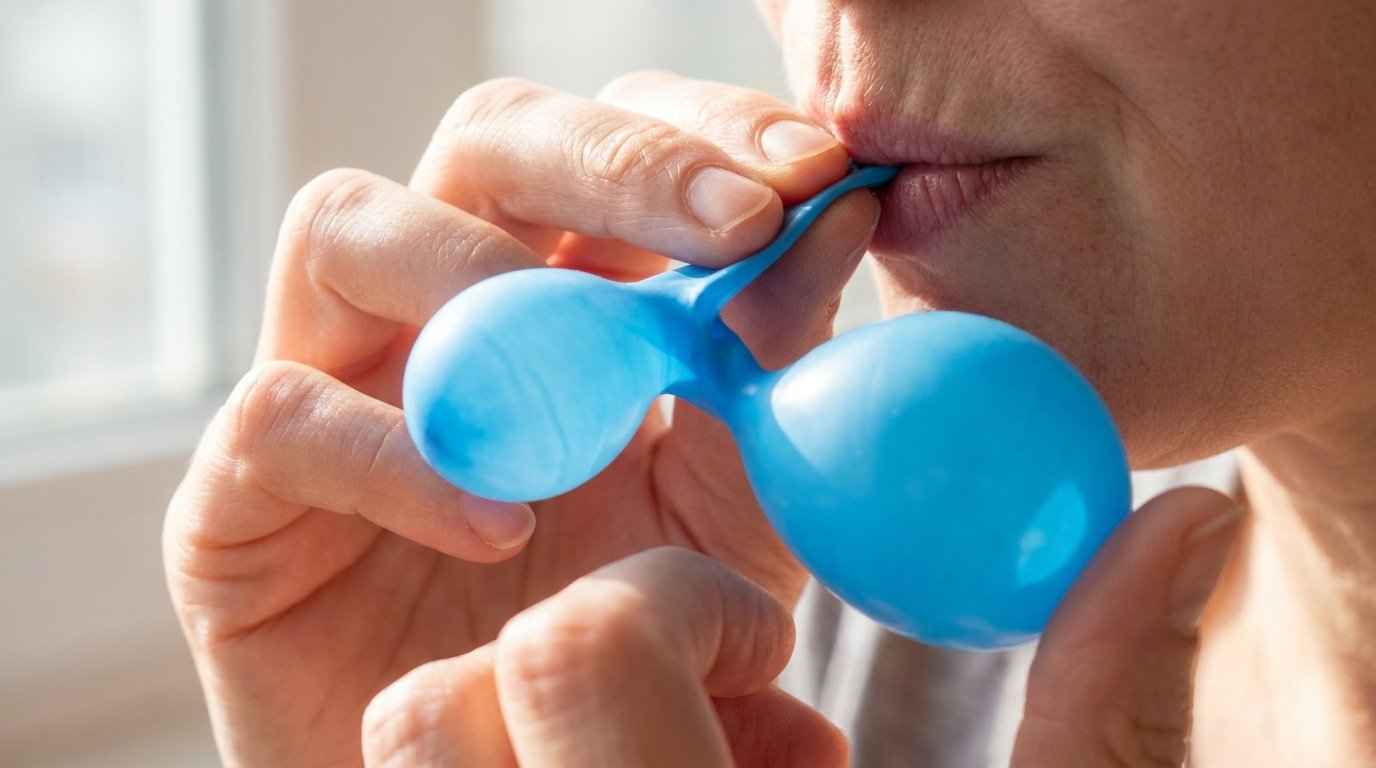
Blowing up a latex balloon by mouth is the most accessible method if you lack specialized equipment. However, it requires a bit of technique to be effective and safe. Before you start, gently stretch the balloon’s material in all directions. This process warms the latex, making it more elastic and easier to expand, which reduces the chance of premature popping. Think of it like a quick warm-up for the balloon.
To begin, pinch the balloon’s opening between your thumb and forefinger, creating a tight seal around your mouth. Take a deep, steady breath and blow consistently into the balloon. Avoid short, forceful puffs; a smooth, continuous stream of air works best. The initial inflation is often the most challenging, as the latex is at its tightest. Once the balloon starts to take shape, it becomes progressively easier to inflate. If you need to pause, maintain the tight pinch on the balloon’s neck to prevent air from escaping.
A common professional mistake is over-inflating balloons. You should stop blowing when the balloon achieves a full, rounded shape but still has a slight give. If the balloon feels taut or the neck begins to stretch thin, it’s likely over-inflated and highly susceptible to bursting. Properly inflated balloons are more durable and visually appealing. Once inflated to your desired size, flatten the neck, stretch it, and tie a secure knot to seal the air inside. This method is suitable for a few balloons but can be tiring for larger quantities, as the average adult lung capacity is about 6 liters, meaning many breaths are needed for each balloon.
Using a Hand Pump for Latex Balloons
A hand pump is an excellent investment for anyone regularly inflating balloons. It offers a much more efficient and less strenuous alternative to mouth inflation, making it ideal for parties and events of all sizes. Hand pumps come in two main types: single-action and double-action.
- Single-Action Hand Pumps: These pumps inflate the balloon only when you push the handle down. They are simple to use and generally more affordable.
- Double-Action Hand Pumps: More efficient, these pumps push air into the balloon on both the push and pull strokes of the handle. This significantly speeds up the inflation process, making them a favorite among party planners.
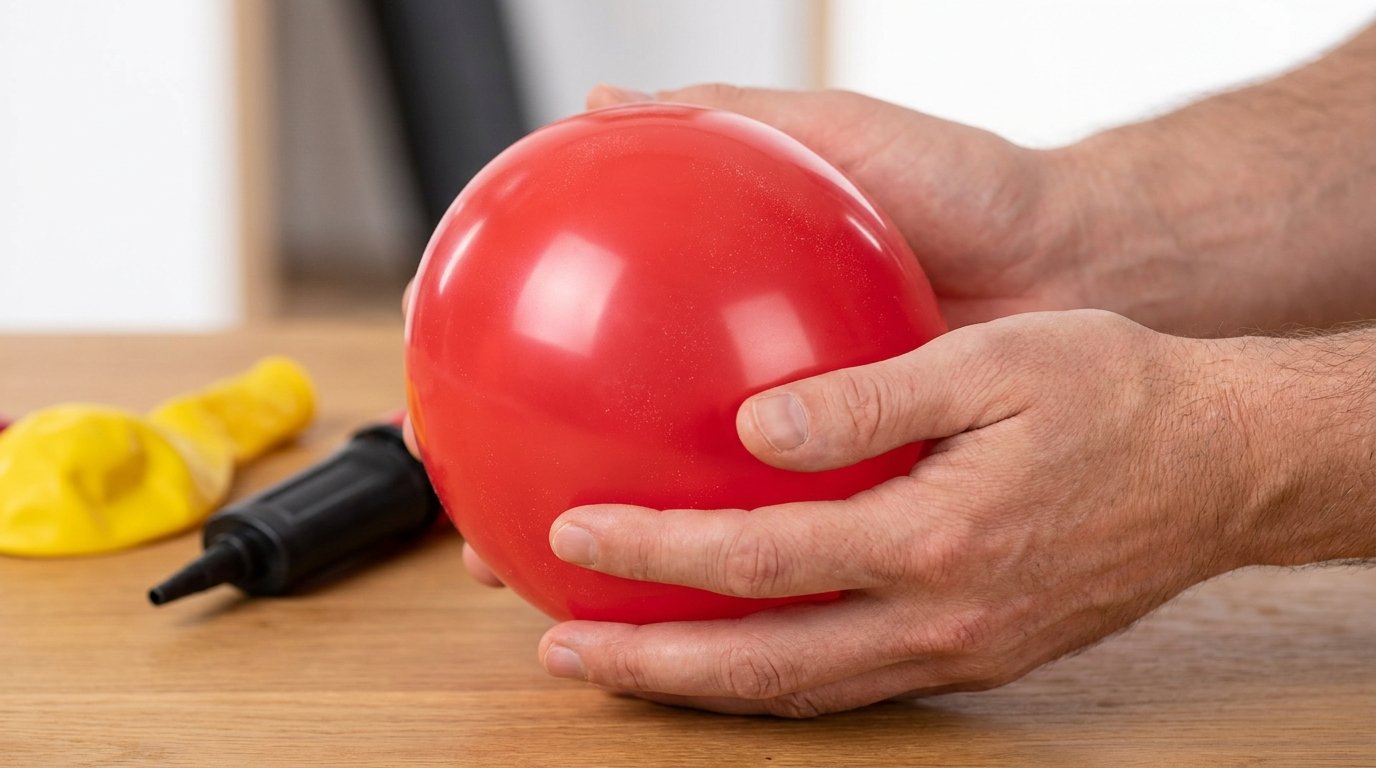
To use a hand pump, simply stretch the neck of the balloon over the nozzle of the pump, ensuring a snug fit. This tight seal is crucial to prevent air from leaking out during inflation. Begin pumping the handle steadily. With a double-action pump, you’ll notice the balloon inflating rapidly with each stroke. Unlike mouth inflation, stretching the balloon beforehand is less critical with a pump, though a quick stretch can still help the latex expand more smoothly.
The benefits of using a hand pump are numerous. They reduce physical strain, prevent lightheadedness, and provide consistent air pressure, which helps achieve uniform balloon sizes. Hand pumps are also portable and relatively inexpensive, typically ranging from $10 to $30. For a medium-sized party requiring 20-50 balloons, a good quality hand pump can inflate them all in under 30 minutes, drastically cutting down preparation time.
The Efficiency of Electric Balloon Inflators
When you’re faced with inflating dozens or even hundreds of balloons, an electric balloon inflator becomes an absolute necessity. These powerful devices can inflate a standard latex balloon in as little as 2-3 seconds, transforming what would be hours of manual labor into minutes. Electric inflators are a game-changer for large events, professional decorators, and anyone serious about creating impressive balloon installations like a grand balloon arch or an elaborate balloon wall.
Electric inflators come in various models, from smaller, portable units suitable for home use (priced around $30-$60) to heavy-duty professional machines that can cost upwards of $100-$300. Many professional models include dual nozzles, allowing you to inflate two balloons simultaneously, further boosting efficiency. Some even have timer functions or foot pedals for hands-free operation.
While incredibly efficient, electric pumps require careful handling. Their speed can lead to accidental over-inflation and bursting if you’re not attentive. Always hold the balloon firmly around the nozzle and release it from the nozzle as soon as it reaches the desired size. The noise level can also be significant, so plan your inflation location accordingly. Despite these minor considerations, for events like corporate gatherings, grand openings, or large birthday parties where volume is key, an electric inflator is an invaluable tool that ensures your balloon decorations are prepared swiftly and professionally.
How To Blow Up Foil Balloons: Valves and Specialized Techniques
Foil balloons, often called Mylar balloons, are a popular choice for their vibrant colors, intricate shapes, and longer float times. However, their inflation process differs significantly from latex balloons, primarily due to their unique self-sealing valves and delicate material.
Understanding Foil Balloon Valves
Foil balloons are designed with a clever self-sealing valve, usually located at the bottom of the balloon’s neck. This valve consists of two layers of plastic film that are pressed together. When air or helium is pushed through, these layers separate to allow inflation, and then automatically seal once the inflation nozzle is removed. This design eliminates the need for tying a knot, making them incredibly convenient.
The valve’s primary function is to trap the gas inside, ensuring the balloon stays inflated for days or even weeks. However, its delicate nature also means it can be easily damaged if not handled correctly. Forcing a large nozzle or sharp object into the valve can tear the plastic layers, rendering the balloon unable to hold air. Understanding how this valve works is the first step to successful foil balloon inflation.
Step-by-Step Guide for Inflating Foil Balloons
Inflating a foil balloon requires a gentle touch and the correct tools. Here’s a detailed guide:
- Locate the Valve: Find the small opening at the base of the balloon’s neck. It typically has two plastic layers.
- Prepare Your Tool: For air inflation, use a slender straw (a standard drinking straw often works well) or a specialized hand pump nozzle designed for foil balloons. For helium, you’ll need a helium tank with a specific foil balloon nozzle.
- Insert Gently: Carefully slide the straw or nozzle between the two plastic layers of the valve. Do not force it. It should slide in smoothly about 1 to 2 inches.
- Inflate Slowly: If using a straw, blow into it with a steady, gentle breath. If using a pump or helium tank, apply slow, consistent pressure.
- Monitor Inflation: Watch the balloon closely. Foil balloons do not stretch like latex. They should look full and smooth, but not taut or bulging. You’ll notice wrinkles smoothing out as it inflates.
- Detect Full Inflation: Stop inflating when the balloon is firm to the touch but still has a slight give, particularly along the seams. If you see the seams start to strain or hear a crinkling sound, you are over-inflating.
- Remove Tool: Gently pull out the straw or nozzle. The self-sealing valve will automatically close, locking the air or helium inside.
This careful approach helps preserve the integrity of the valve and the balloon material, ensuring your decoration looks pristine.
Preventing Damage During Foil Balloon Inflation
Foil balloons are less forgiving than latex when it comes to rough handling or over-inflation. Preventing damage is key to their longevity and appearance.
- Avoid Over-Inflation: This is the most common cause of damage. Foil balloons do not stretch; they are designed to be filled to a specific volume. Over-inflating can cause seams to burst or the valve to fail. A firm but slightly pliable feel is ideal. The National Weather Service even warns against fully inflating balloons in cold weather if they will be taken into warmer environments, as the gas inside will expand, potentially causing them to burst.
- Temperature Sensitivity: Foil balloons are very sensitive to temperature changes. Cold temperatures will cause the gas inside to contract, making the balloon appear deflated. Warm temperatures will cause the gas to expand, potentially leading to bursting. Always inflate foil balloons in a climate-controlled environment and consider inflating them slightly less full if they will be exposed to significant temperature fluctuations.
- Protect from Sharp Objects: The metallic coating of foil balloons makes them susceptible to punctures from sharp edges, rough surfaces, or even fingernails. Handle them with care and keep them away from potential hazards during and after inflation.
- Creases and Folds: New foil balloons often come folded. While inflating, these creases will generally smooth out. However, avoid trying to forcefully smooth them or over-inflate to remove minor wrinkles, as this can stress the material.
An expert tip for foil balloons: Always inflate them slowly and pause occasionally to check their firmness. It’s better to under-inflate slightly and add a little more air later than to risk popping it instantly. These balloons can be deflated and re-inflated for future use if the valve remains intact, making proper initial inflation even more crucial.
Beyond Air: Filling Balloons with Helium
While air-filled balloons are fantastic for creating balloon columns and backdrops, sometimes you need balloons that float. This is where helium comes in. Helium is a non-toxic, non-flammable gas that is lighter than air, allowing balloons to ascend and hover, adding a magical touch to any event.
When to Use Helium and Tank Considerations
Helium is essential for classic floating balloon bouquets, impressive ceiling decorations, or large letter/number balloons that stand out. For example, for a grand wedding or a significant milestone birthday, floating balloons create an unparalleled sense of celebration.
When considering helium, you have two primary options: professional filling or DIY with a rental tank.
- Professional Filling: Services like BalloonLab offer professional helium filling. This ensures correct inflation, proper treatment (like Hi-Float for latex balloons to extend float time), and eliminates the hassle of handling tanks. Prices typically range from $1-$3 per latex balloon and $3-$15+ for foil balloons, depending on size and shape.
- DIY with a Rental Tank: You can purchase or rent small, disposable helium tanks from party supply stores or order larger refillable tanks from industrial gas suppliers. Disposable tanks cost around $30-$50 and typically fill 30-50 standard 9-inch latex balloons. Larger rental tanks offer more capacity but require a deposit and more careful handling.
Safety first: Always use helium in a well-ventilated area. Never inhale helium directly, as it displaces oxygen in your lungs and can lead to serious health risks. Furthermore, ensure tanks are secured to prevent tipping. The float time of helium balloons varies significantly. For more details on this, you might find our guide on how long helium balloons last particularly useful.
Choosing the Right Inflation Method for Your Event
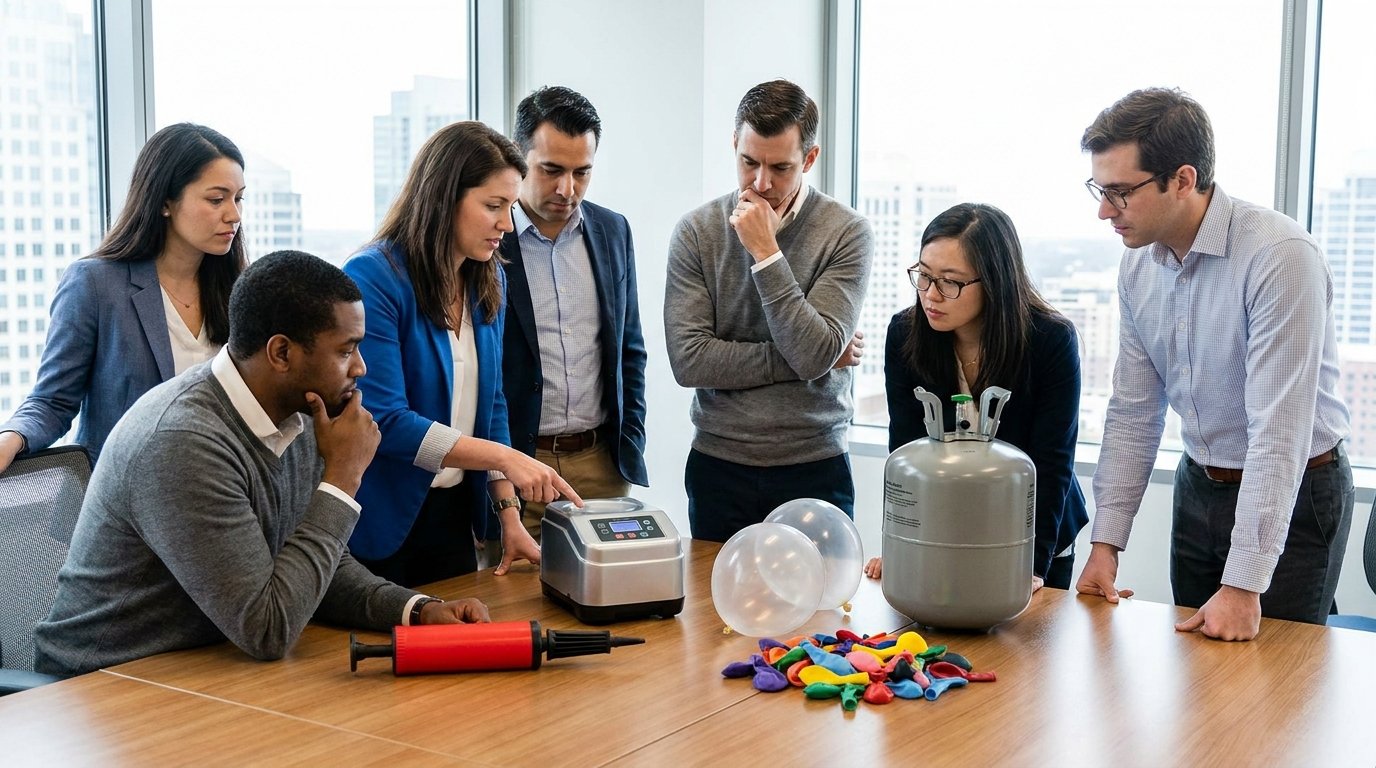
Selecting the best way to inflate your balloons hinges on several practical factors. Consider the type and quantity of balloons, the size and nature of your event, and your budget and available time. Each method offers distinct advantages, making it suited for different scenarios.
Factors to Consider for Balloon Inflation
- Number of Balloons: For a handful of balloons (1-10), mouth inflation or a hand pump is perfectly adequate. For medium-sized events (10-50 balloons), a hand pump is efficient. Large-scale events (50+ balloons) demand an electric inflator for speed and ease.
- Balloon Type: Latex balloons are versatile and can be inflated by mouth, hand pump, or electric pump. Foil balloons, with their self-sealing valves, require a straw or specialized nozzle and gentle inflation. For floating balloons, helium is the only option.
- Event Size and Atmosphere: For intimate gatherings, DIY methods add a personal touch. For corporate events, grand openings, or large parties, a professional appearance and rapid setup are crucial, making electric pumps or professional services more appropriate.
- Budget: Mouth inflation is free, hand pumps are a small one-time cost, and electric pumps are a moderate investment. Helium tanks can be a significant expense, especially for large quantities, making professional services potentially more cost-effective.
- Time Constraints: If you have limited time for setup, electric inflators are invaluable. Manual methods, while inexpensive, are time-consuming for many balloons.
Understanding these factors helps you make an informed decision, ensuring your balloon decorations are prepared efficiently and effectively for any occasion in Chicago.
| Inflation Method | Best For | Pros | Cons | Typical Cost |
|---|---|---|---|---|
| Mouth (Latex Only) | A few latex balloons (1-5) | Free, always available, no equipment needed | Tiring, causes lightheadedness, difficult for many balloons | $0 |
| Hand Pump (Latex & Foil) | Small to medium events (5-50 balloons) | Portable, affordable, prevents lightheadedness, efficient | Manual effort required, slower than electric pumps | $10-$30 (one-time purchase) |
| Electric Inflator (Latex & Foil) | Large events (50+ balloons), professional use | Very fast, minimal effort, consistent inflation | Can be noisy, risk of over-inflation, initial cost | $30-$300 (one-time purchase) |
| Helium Tank (Latex & Foil) | Floating balloons for any event size | Balloons float, impressive visual effect | Expensive, tank rental/purchase, safety considerations | $30-$50 (disposable tank for 30-50 balloons); $1-$15 per balloon (professional fill) |
Expert Tips for Longevity and Safety
Ensuring your balloons last and remain safe throughout your event is just as important as how you inflate them. As professionals in balloon decorations, we’ve learned a few crucial techniques that make a significant difference.
Maximizing Balloon Lifespan and Safety
- Pre-Stretching Latex: Before inflating latex balloons, gently stretch them a few times. This not only makes them easier to inflate but also increases their elasticity, making them less prone to popping prematurely. This is especially vital for balloons that have been stored in cooler temperatures, as cold latex is stiffer.
- Avoiding Over-Inflation: Always inflate balloons to their recommended size. Over-inflation stresses the latex or foil material, making it thinner and highly vulnerable to bursting. A well-inflated balloon feels firm but still has a slight bounce. According to industry standards, an over-inflated latex balloon can lose up to 50% of its lifespan compared to one inflated to its ideal size.
- Mind the Environment: Temperature fluctuations significantly impact balloon integrity. Hot environments cause gas to expand, leading to bursts, while cold environments cause contraction, making balloons appear deflated. Avoid direct sunlight and extreme temperatures. Keep balloons away from sharp objects, rough surfaces, and open flames.
- Proper Tying Techniques: For latex balloons, learn to tie a tight, secure knot that won’t slowly leak air. Pinch the neck, stretch it around two fingers, and pull it through the loop firmly. Practice makes perfect, and a good knot is essential for long-lasting decorations.
- Consider Hi-Float for Latex: If you want your helium-filled latex balloons to float for days instead of hours, request Hi-Float treatment from professionals. This non-toxic liquid coating forms a barrier inside the balloon, reducing helium seepage and extending float time by several times.
- Safe Storage After Inflation: Once inflated, store balloons in a cool, dry place away from direct sunlight or sharp objects until the event. For helium balloons, avoid storing them in a hot car, as this can cause them to pop rapidly.
One common professional mistake event planners make is underestimating the number of balloons needed and then rushing the inflation process. This often leads to improperly inflated balloons, a higher burst rate, and a less polished final display. Plan your quantities carefully and allocate ample time for inflation, especially for intricate designs like a themed balloon backdrop or delicate balloon centerpieces. Investing a little extra time upfront can save you significant frustration and ensure your decorations truly impress.
Creative Balloon Applications and Professional Touch
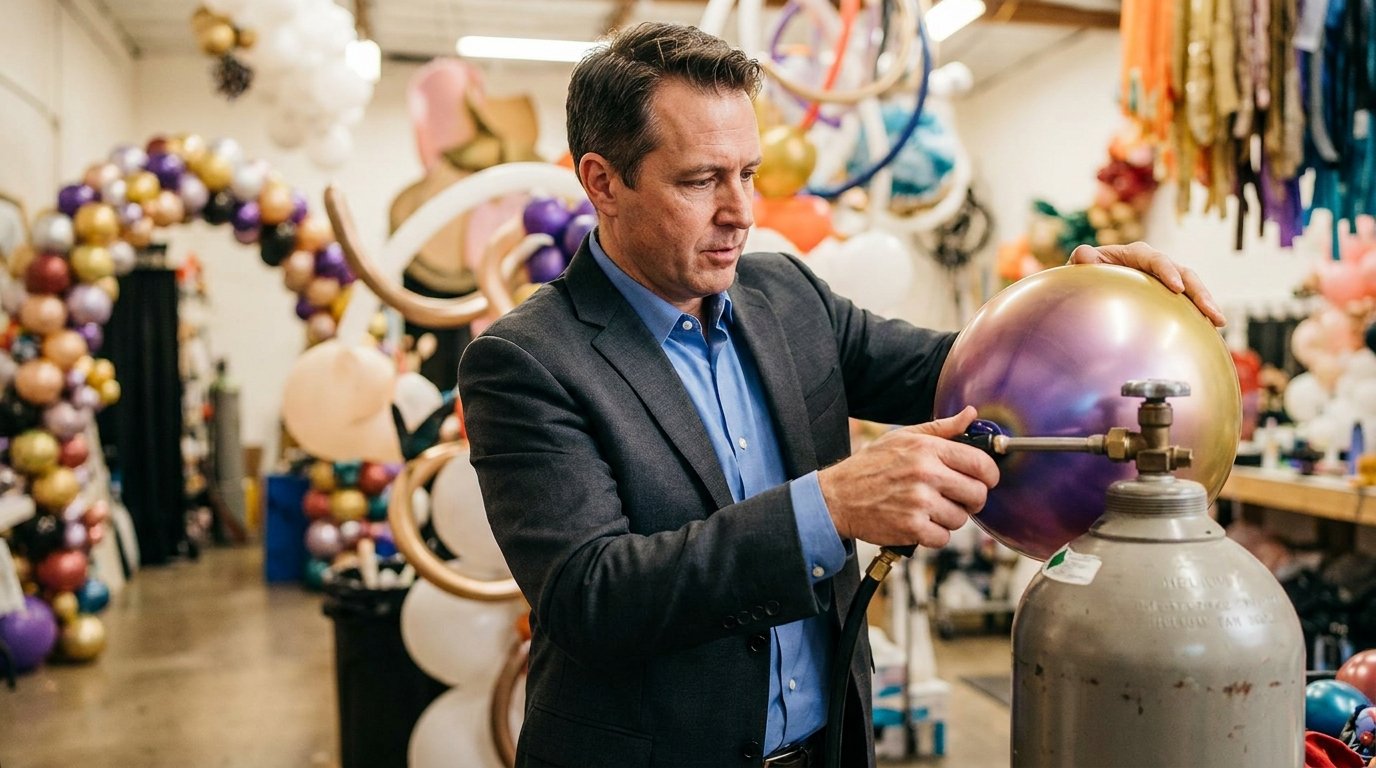
Blowing up a balloon is just the beginning. The real artistry lies in transforming these simple spheres into breathtaking decorations that elevate any event. Whether you’re envisioning a whimsical birthday party or a sophisticated corporate gala, how balloons are inflated and arranged makes all the difference.
At BalloonLab, we specialize in taking the hassle out of balloon decoration, providing expert inflation and design services across Chicago, IL. From the precise inflation of each individual balloon to the intricate assembly of complex structures, our team ensures every detail is perfect. We can create stunning balloon arches that welcome guests, dynamic balloon columns that define spaces, and enchanting balloon ceiling decorations that transform entire venues. Our services extend to themed events, ensuring consistency and flair in designs for baby showers, gender reveals, graduation parties, and corporate functions.
When you hire professionals, you’re not just getting perfectly inflated balloons; you’re gaining access to creative design expertise, seamless setup, and the assurance that your decorations will be robust and long-lasting. This allows you to focus on enjoying your event while we handle the spectacle. Consider BalloonLab your go-to partner for personalized and custom balloon arrangements that promise to leave your guests in awe, all without you having to lift a finger or puff a breath.
FAQ
What is the easiest way to blow up a standard latex balloon?
The easiest way to inflate a standard latex balloon is by using a double-action hand pump. This tool pushes air into the balloon on both the push and pull strokes, making inflation quick, efficient, and much less tiring than blowing by mouth.
How do I inflate a foil balloon with a valve?
To inflate a foil balloon with a valve, gently insert a slender straw or a specialized foil balloon nozzle into the self-sealing valve opening. Blow or pump air slowly until the balloon is firm but not taut, then carefully remove the straw or nozzle, and the valve will automatically seal.
Can I use an electric pump for both latex and foil balloons?
Yes, many electric balloon pumps come with interchangeable nozzles or specialized attachments that allow them to inflate both latex and foil balloons. For foil balloons, ensure you use the correct, narrower nozzle and inflate slowly to prevent damage to the delicate material.
When should I use helium instead of air for balloons?
You should use helium instead of air when you want balloons to float. Helium is lighter than air and is essential for creating floating balloon bouquets, ceiling decorations, or any design where balloons need to defy gravity and ascend.
Is it possible to re-inflate a foil balloon after it has deflated?
Yes, most foil balloons can be re-inflated if their self-sealing valve remains undamaged. Simply re-insert a straw or nozzle into the valve and gently add air or helium until the balloon is firm again. This makes them a more sustainable option for repeated use.